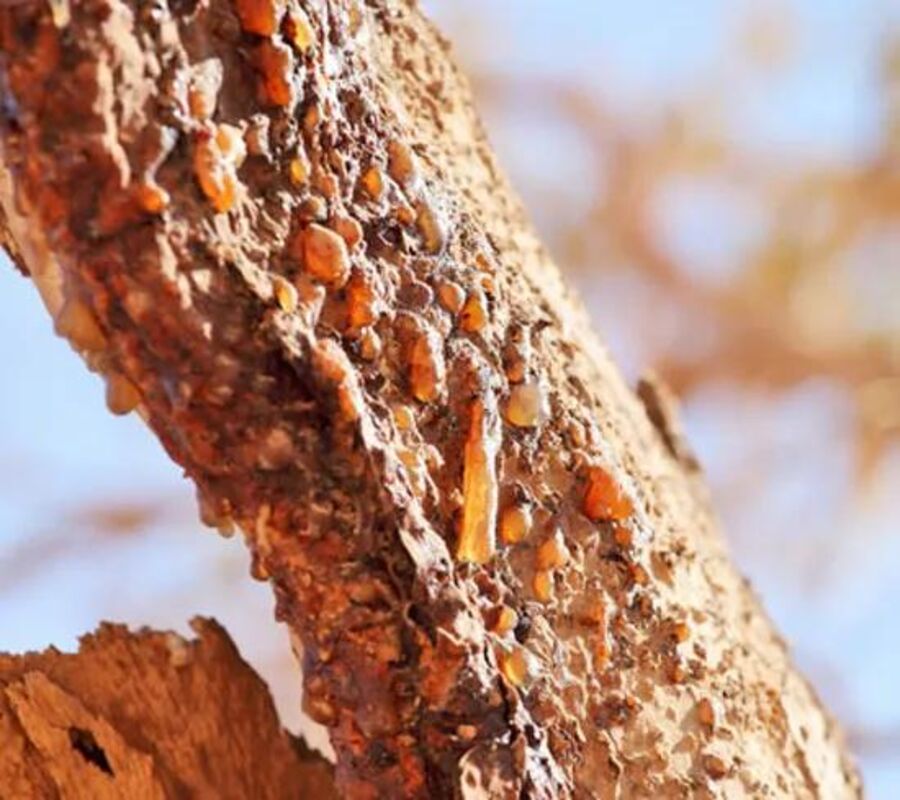
The Cut That Heals: How Frankincense is Harvested, Graded, and Sorted
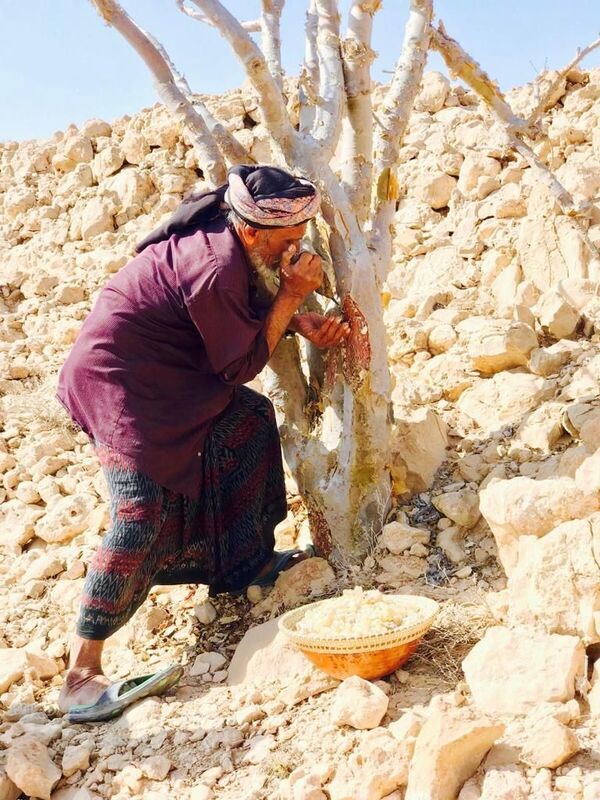
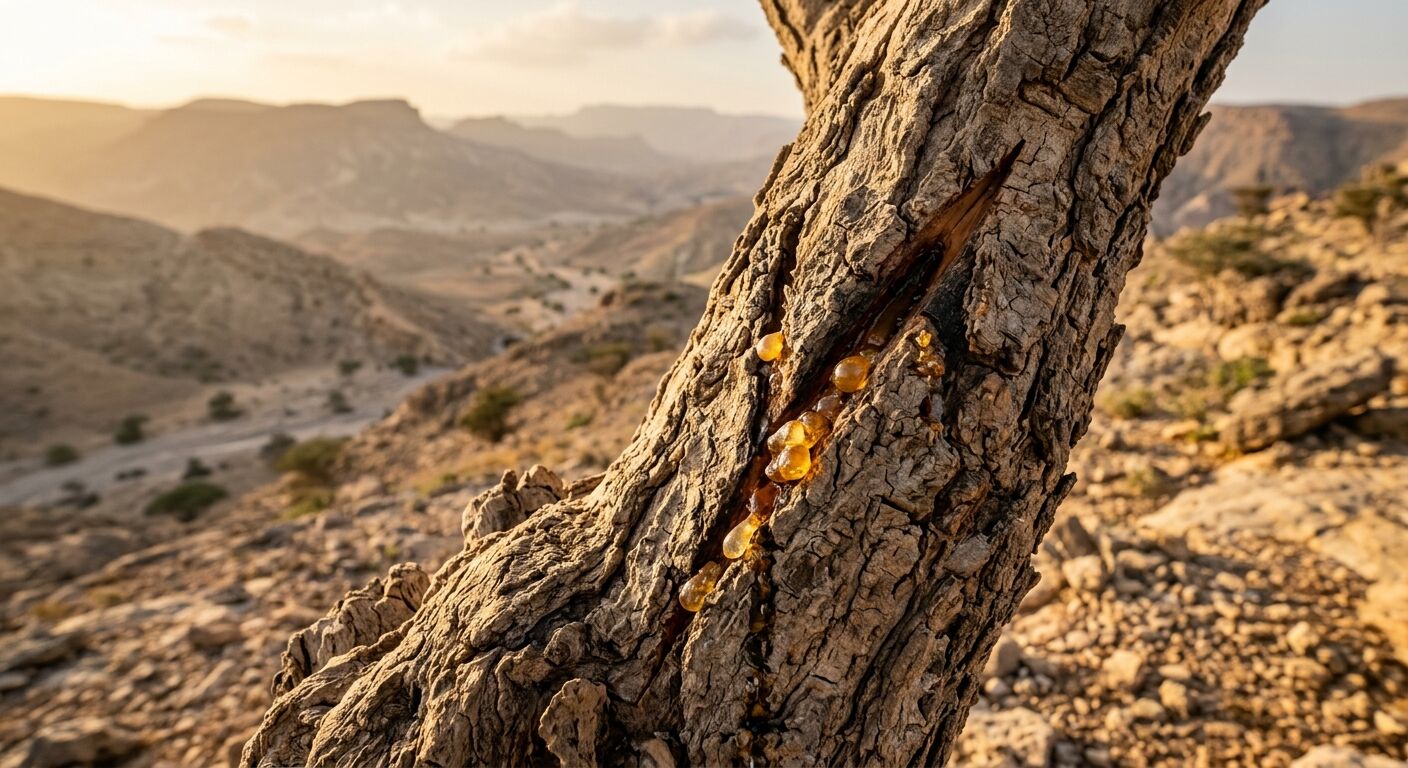
From the mingaf blade on a limestone slope to the amber tear in your burner — the overlooked process that separates exceptional frankincense from the commodity stuff.

From the mingaf blade on a limestone slope to the amber tear in your burner — the overlooked process that separates exceptional frankincense from the commodity stuff.

The gifts of the Magi weren't random. Gold for kingship, frankincense for divinity, myrrh for death — the story behind the three gifts and what they reveal about the ancient resin trade.

How a UNESCO World Heritage site in Oman's Dhofar region is transforming frankincense into the most traceable, sustainably-harvested aromatic resin on earth.

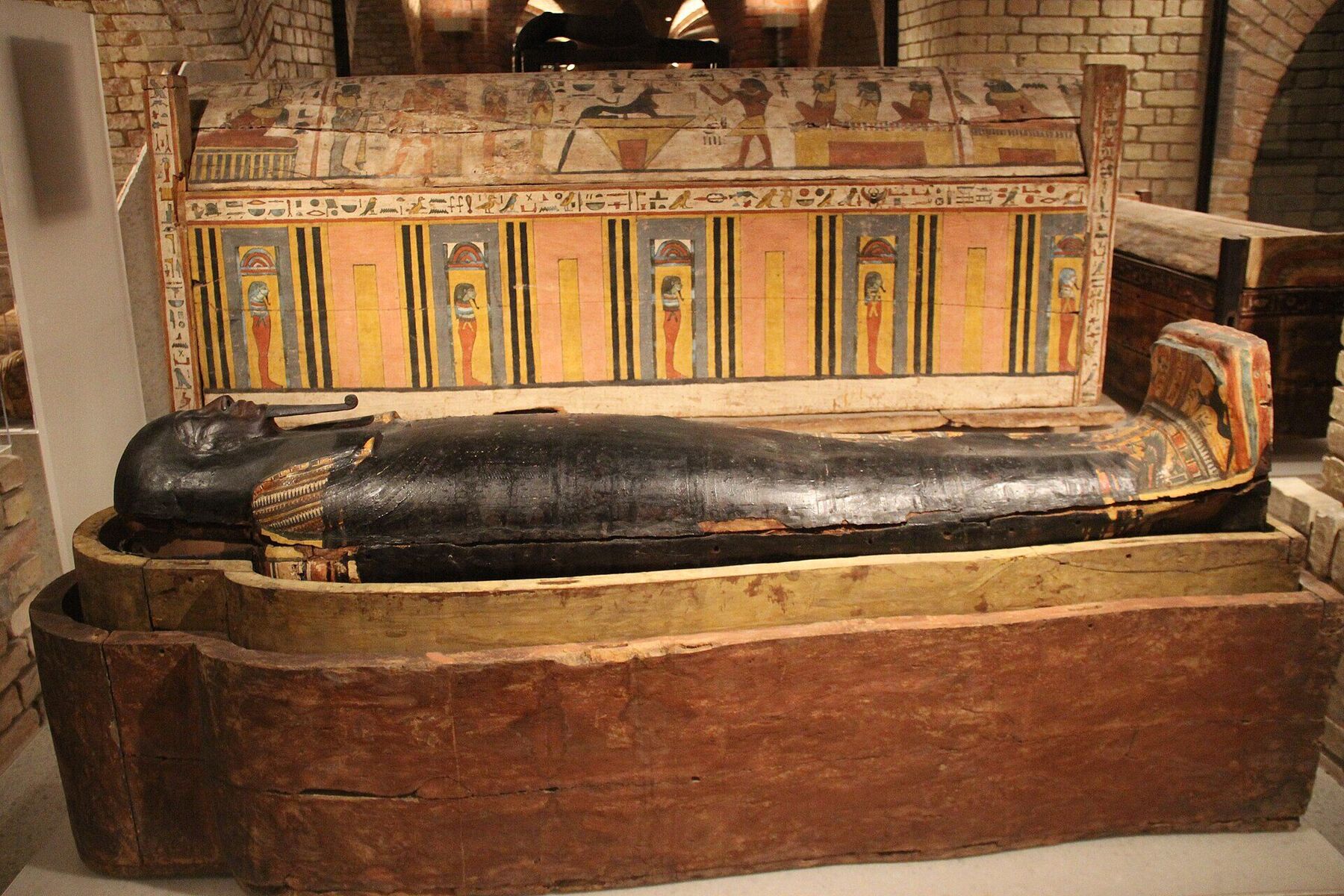
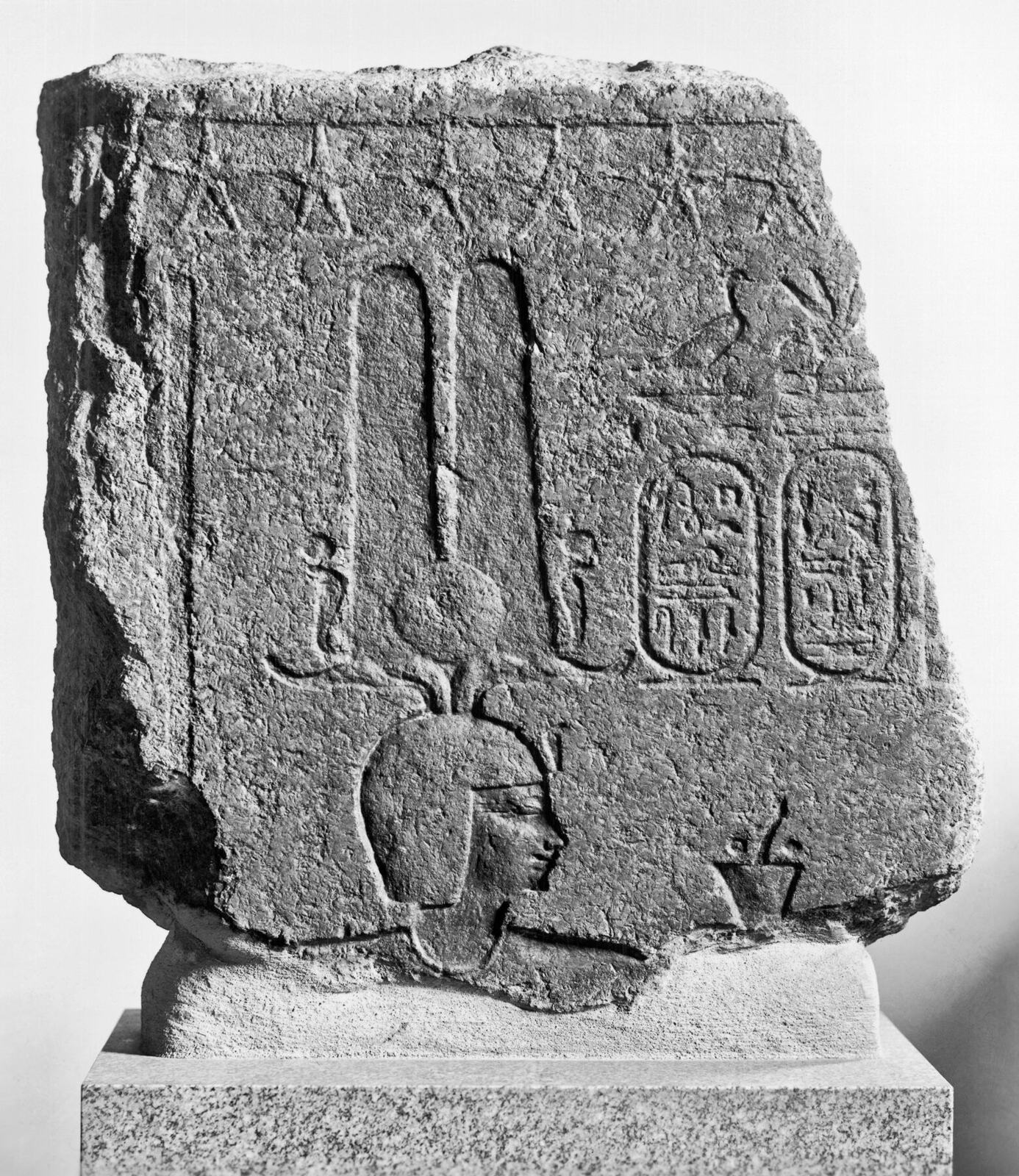
Myrrh wasn't just a gift for the living. In ancient Egypt, this bitter resin was the key ingredient in the journey between worlds.

Not all frankincense is Boswellia sacra. Learn the differences between Omani, Somali, Indian, and Ethiopian species — and why it matters for your burner.

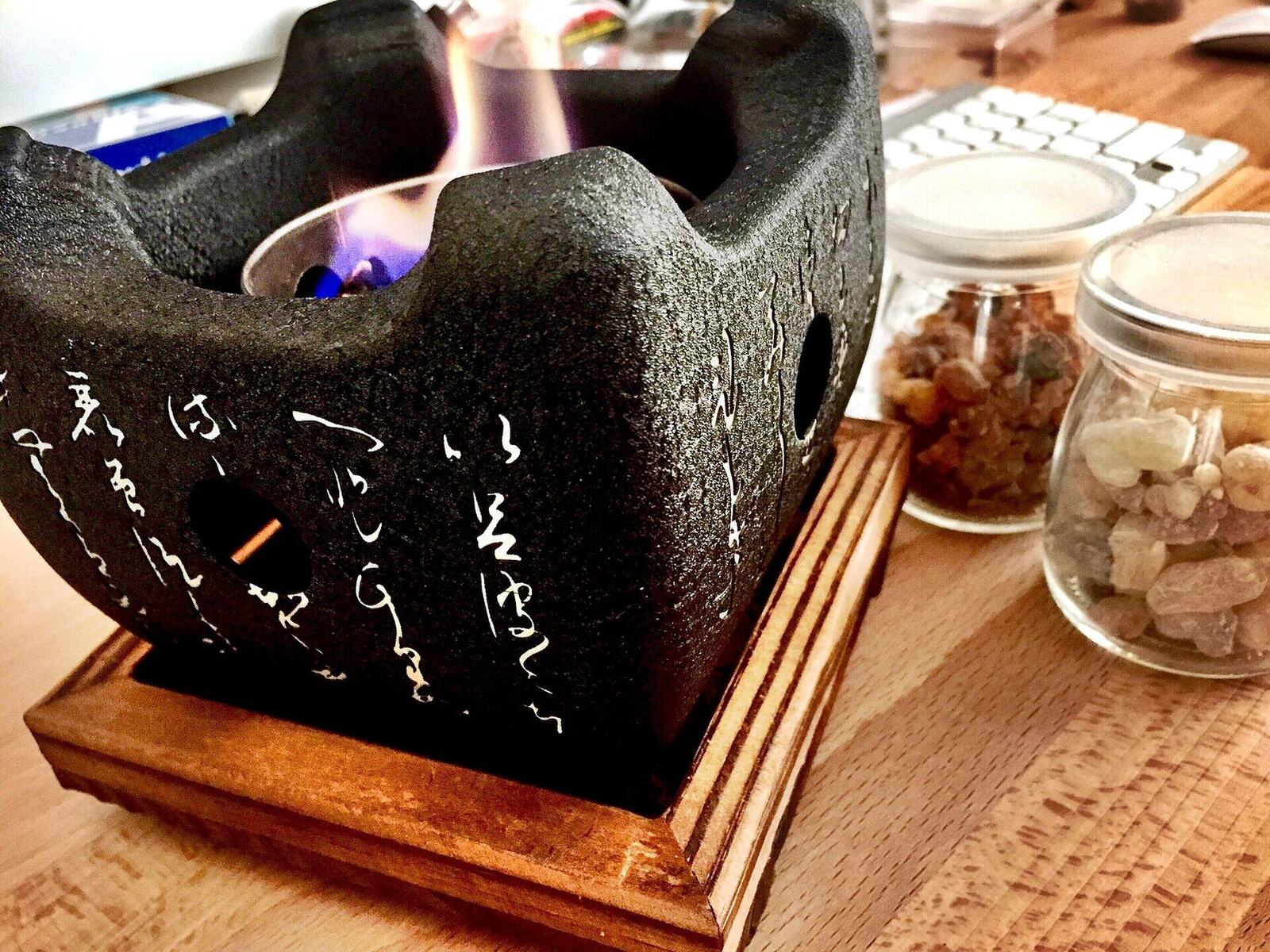
You've got the resin. You've got the curiosity. Learn the difference between charcoal and electric burning — and why it changes everything.

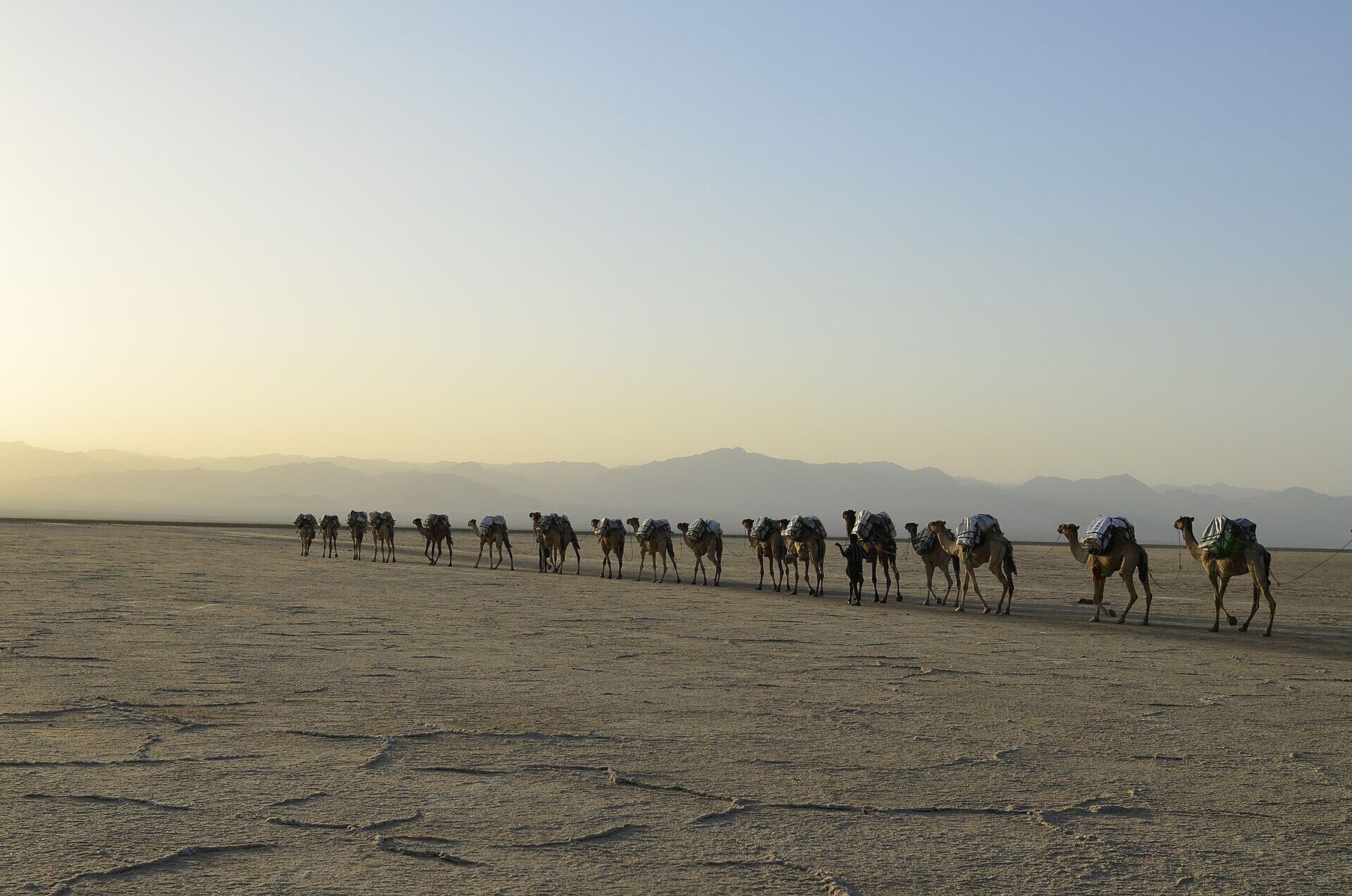
For two thousand years, the most valuable thing you could move across a desert wasn't gold or silk. It was tree sap.

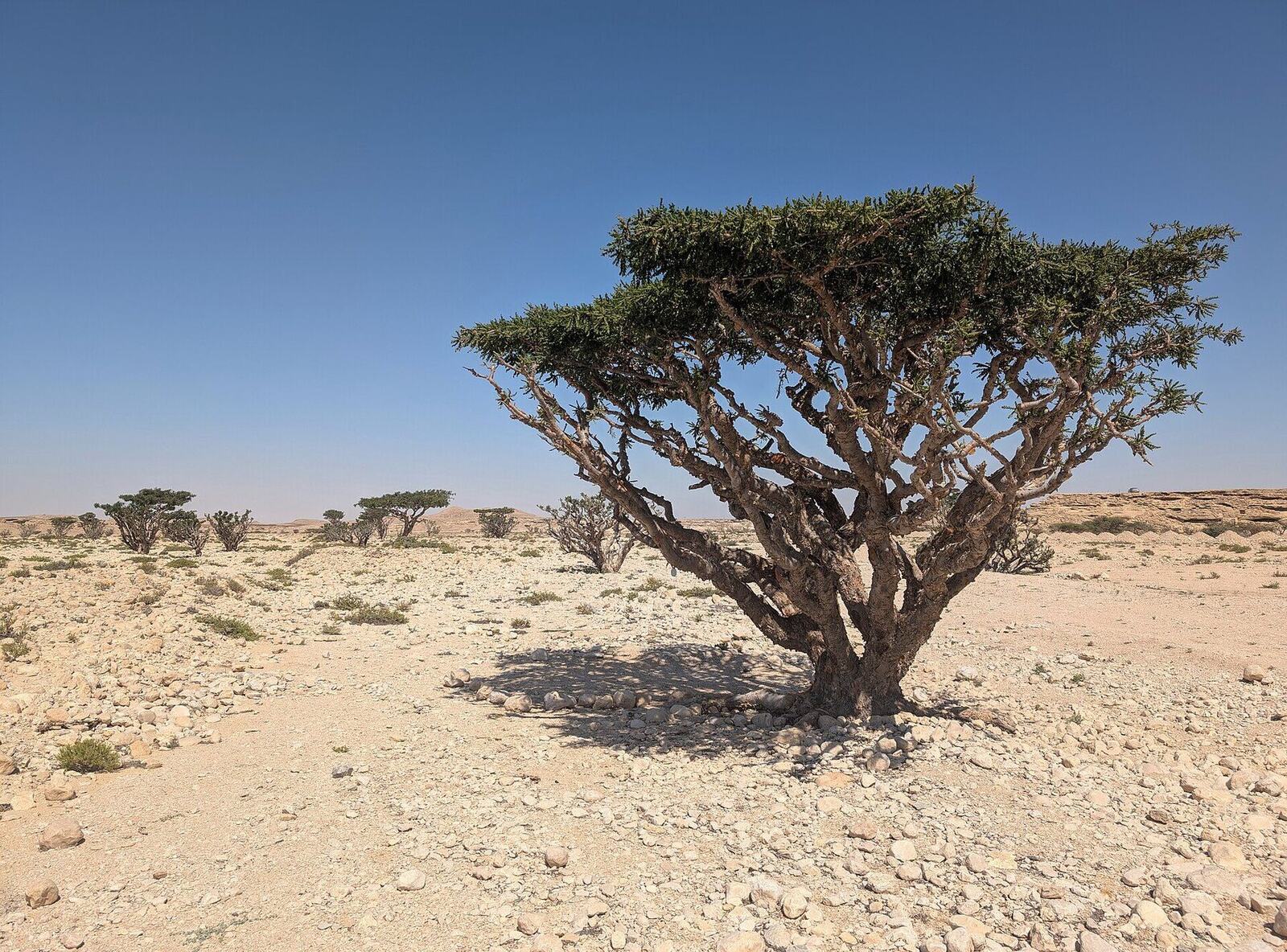
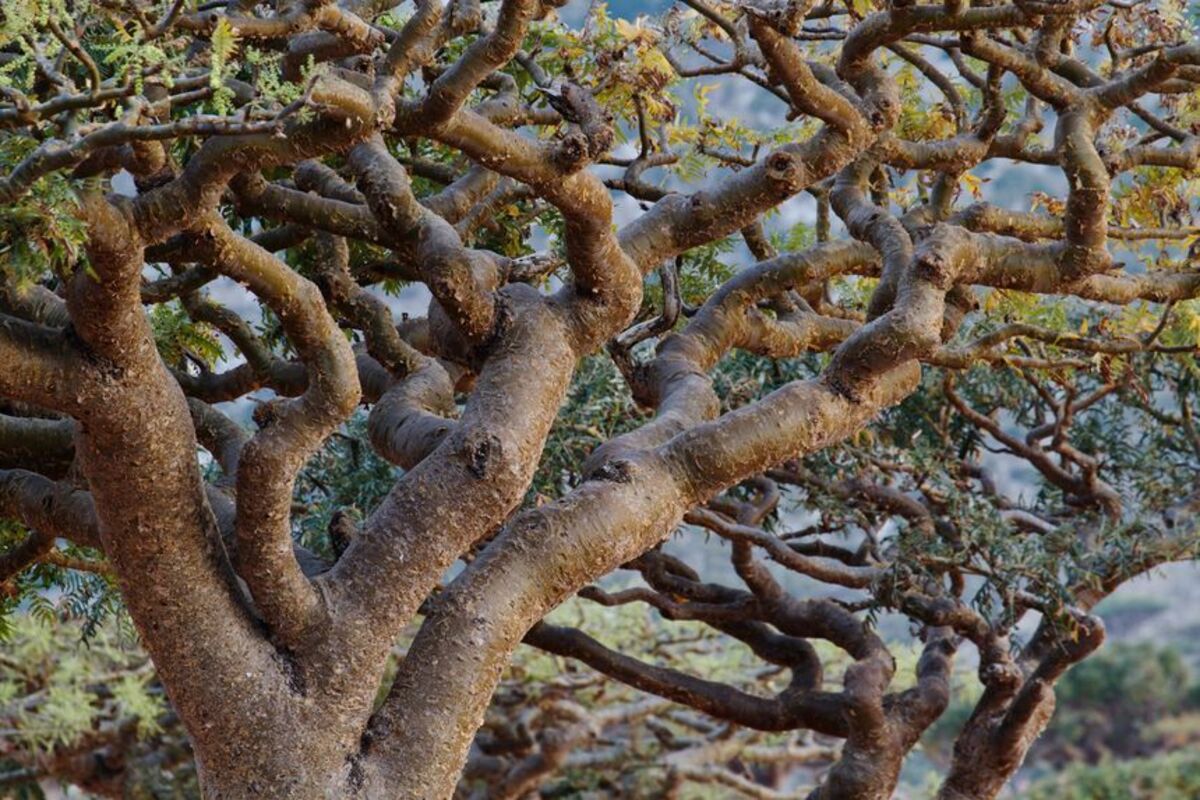
Boswellia sacra populations are declining fast. Here's why sourcing matters — and how to tell if your resin comes from a tree that was treated right.

Three times a day, the temples of the Nile were filled with specific scents. Reclaim this ancient rhythm for yourself.

Modern science is finally catching up to the ancient wisdom of Yemeni Myrrh. Explore the power of this sacred resin.

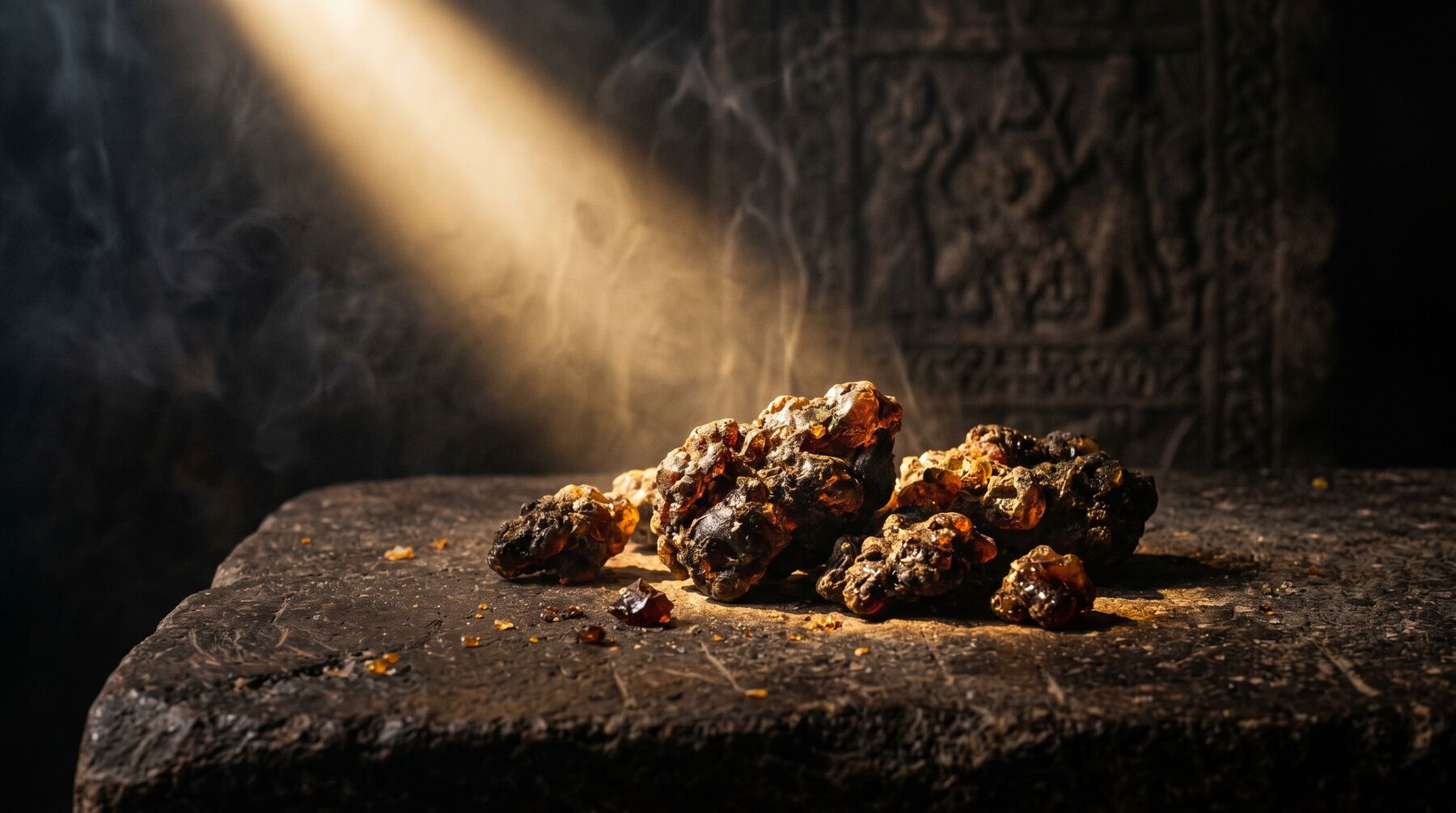
Why the emerald tears of Dhofar remain the world's most coveted resin for over two millennia.