The Bitter Truth: Why Myrrh is Making a Scientific Comeback
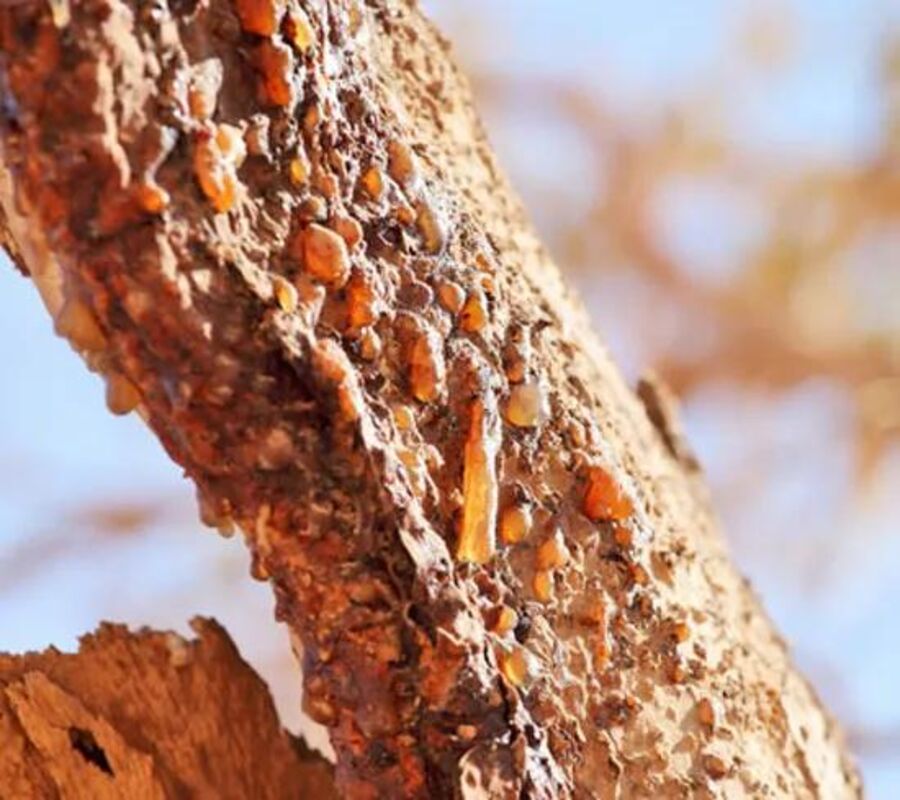
You've probably seen the little resinous tears before—dark, reddish-brown, and looking more like dried sap than anything precious. In the resin world, Myrrh (Commiphora myrrha) often plays second fiddle to its brighter cousin, Frankincense. But while Frankincense brings the citrus and the pine, Myrrh brings the medicine.
Beyond the Incense Burner
The reason Myrrh was once valued as highly as gold wasn't just about the scent. It was about its multifaceted utility. In Yemeni and Somali traditions, Myrrh has been the "everything resin"—historically relied upon for various traditional applications from oral rituals to topical preparation.
Modern pharmacology is finally starting to isolate why. Recent studies, including a 2025 update in Scientific Reports, have highlighted Myrrh's potent antimicrobial and antioxidant properties. We're seeing it effectively used in research for treating mouth ulcers, skin fractures, and chronic inflammatory diseases. It doesn't just "smell" clean; it actively fights microbial infection.
The Chemistry of Calm
What makes Myrrh unique is its high concentration of sesquiterpenes. These compounds are heavy hitters when it comes to the central nervous system. When you burn Myrrh—specifically our Yemeni Myrrh harvested from the high plateaus—the aroma is earthy, bitter, and grounded. It's the perfect counterweight to the ethereal lift of Royal Green Hojari.
If Frankincense is the "King," Myrrh is the "Healer."
How to Use It Today
You don't need a golden censer to get the benefits. Here's how I'm seeing people integrate it into a modern workflow:
- Topical Recovery: A tiny bit of resin infused into a carrier oil (like jojoba) makes for an incredible salve for dry, cracked skin.
- Oral Tradition: There's a reason Myrrh is a staple in "natural" toothpaste history. In traditional practices, high-grade resin is sometimes held in the mouth as a sensory ritual to appreciate its bitter, clean profile.
- Deep Meditation: Burn Myrrh late at night when you need to "bottom out" your stress. It pulls you back into your body in a way few other aromatics can.
The Sourcing Problem
Not all Myrrh is equal. Most of the stuff you find in shops is "garden grade"—dusty, old, and stripped of its essential oils. Our current batch of Yemeni Myrrh is different. It's oily, rich, and carries that distinct, sharp bitterness that defines the finest specimens.
We've just secured a small reserve from a supplier in the Al-Mahrah region of Yemen. You can find it in The Reserve.