Sacred Smoke: The Forgotten Ritual Schedule of Ancient Egypt
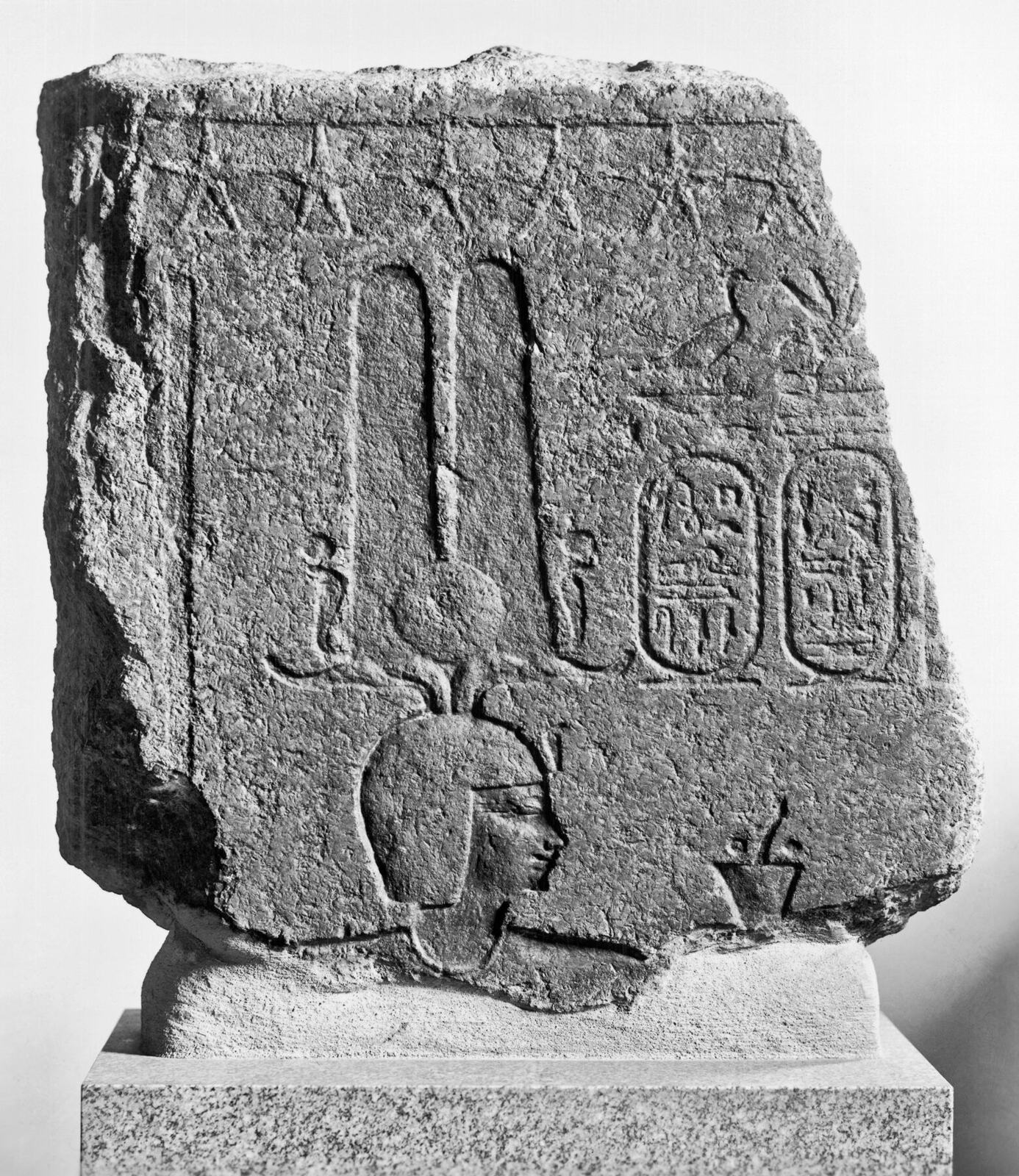
For the priests of Heliopolis, time wasn't measured by gears, but by the shifting scents of the sun's path.
The Daily Triple Offering
In the temples of ancient Egypt, the passage of day was marked by three specific aromatic offerings. Plutarch, the Greek historian, recorded this precision: frankincense at dawn, myrrh at midday, and the complex blend known as Kyphi (or Kapet) at dusk. This wasn't just about pleasant smells; it was a rhythmic alignment of the human environment with the celestial cycle.
Morning belonged to Frankincense. As the sun rose, the bright, piney, and citrus-heavy smoke of Royal Green Hojari types would fill the air, signaling awakening and clarity.
Midday Bitterness
When the sun reached its zenith, the ritual shifted. Myrrh took over. Its earthy, bitter, and grounded profile provided a necessary anchor during the peak heat. In our modern sensory explorations, we find that burning Yemeni Myrrh during the afternoon serves as a perfect grounding practice, much like it did four thousand years ago.
The Mystery of Kyphi
As evening fell, the priests prepared Kyphi—a sophisticated blend of sixteen ingredients including honey, wine, raisins, myrrh, and frankincense. It was said to induce restful sleep and vivid dreams. While we don't sell pre-mixed Kyphi, the raw components are the foundation of any serious aromatic specimen collection.
Reclaiming the Rhythm
We don't live in stone temples, but we still live in bodies that respond to scent. You can replicate this ancient schedule with simple resin specimens. Use a light, ethereal frankincense to start your day, and a heavy, resinous myrrh to transition into the evening. It is a low-tech way to reclaim your sense of time in a high-speed world.